
How to Plan Watering Zones That Match Your Yard’s Layout and Plants
Irrigation system design for custom landscape layouts means planning your sprinkler and drip zones around the exact shape of your yard, plant types, sun exposure, and soil. Instead of using a one-size-fits-all plan, you map out each area and give it the right amount of water. This helps grass stay green, flowers bloom longer, and shrubs grow strong without wasting water.
What You Need Before Starting
Before you begin any irrigation system design, gather basic details about your yard. A clear plan makes the rest much easier.
- A simple drawing of your property layout
- Locations of grass, flower beds, trees, and shrubs
- Sun and shade patterns during the day
- Soil type, such as sandy or clay
- Water pressure and water source location
Custom landscape layouts often have curves, islands, and mixed plant beds. Each one may need a separate watering approach. Grass usually needs even spray coverage. Flower beds often do better with drip lines. Trees may need deeper, slower soaking.
Step-by-Step Irrigation System Design Process
Follow these steps to build a layout that fits your yard instead of fighting against it.
- Divide the yard into zones. Group plants with similar water needs together. Keep lawns separate from shrubs and flowers.
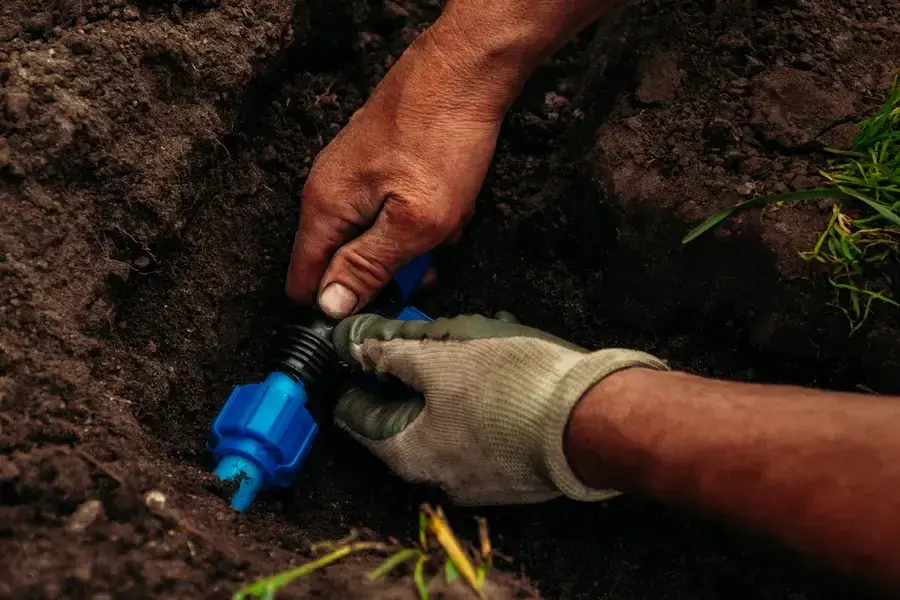
- Match the right watering method. Use spray heads for open lawn areas. Use drip irrigation for garden beds and tight spaces.
- Measure spacing and coverage. Sprinkler heads should overlap slightly so there are no dry spots.
- Plan for slopes. Sloped areas need slower watering to prevent runoff.
- Add smart controls. Timers and moisture sensors help adjust watering based on weather.
For example, if your backyard has a curved patio with planting beds around it, fixed spray heads may overshoot onto the concrete. In that case, drip tubing around the curve gives better control and less waste.
Common Mistakes to Avoid
Poor planning can lead to patchy grass and high water bills. Many problems start during the design phase.
- Mixing high-water plants with low-water plants in the same zone
- Placing sprinkler heads too far apart
- Using the wrong spray pattern for irregular shapes
- Ignoring water pressure limits
- Forgetting future plant growth
Another common mistake is copying a neighbor’s sprinkler layout. Your yard may face a different direction or have different soil. A custom irrigation system design should match your specific landscape, not someone else’s.
When to Call a Professional
Some layouts are simple and easy to handle. Others take more planning and experience. You may want expert help if:
- Your property has major slopes or drainage issues
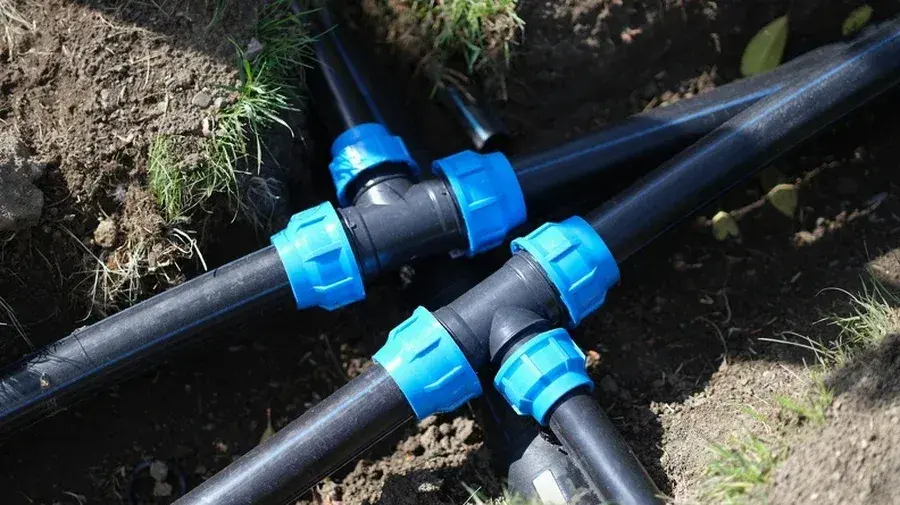
- You are installing a large system with multiple valves
- You want smart controllers connected to weather data
- Your yard includes specialty gardens or large trees
A professional can calculate water flow rates and zone loads to prevent pressure drops. They can also design systems that blend into your custom landscape layout without visible pipes or awkward head placement.
Good irrigation system design is not just about watering plants. It is about protecting your investment in landscaping. A well-planned system supports root health, limits weed growth, and keeps mulch and soil in place. Over time, this means fewer repairs and better-looking outdoor spaces.
Make Your Landscape Work as One Complete System
If you want irrigation that truly matches your property in Joshua, TX, we can help plan zones and layouts that fit your plants and soil. TLC Irrigation designs systems that work with custom landscapes instead of against them. Call (817) 754-4260 and we will review your yard, explain your options, and build a watering plan that supports your outdoor space for years to come.