
Smart Planning Stops Water Waste and Protects Your Yard
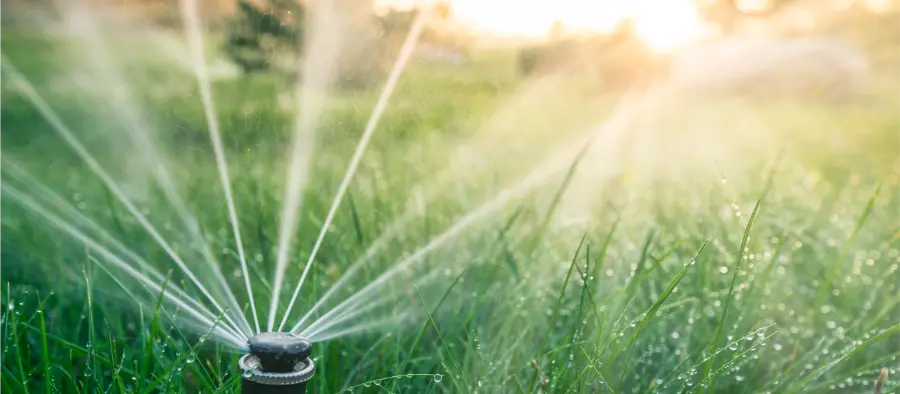
The right irrigation system design can reduce runoff by matching water flow to your soil, slope, and plants. When a system sends out too much water too fast, it cannot soak into the ground. The extra water runs across sidewalks, driveways, and into the street. A well-planned layout uses proper sprinkler heads, smart zones, and the right timing so water stays where it belongs.
What You Need Before Starting
Before changing or installing a system, gather a few key details about your property. Every yard is different. What works for one home may not work for another.
- Soil type: Clay holds water. Sand drains fast.
- Slope: Steep areas cause faster runoff.
- Plant type: Grass, shrubs, and flowers need different amounts of water.
- Sun exposure: Sunny spots dry out faster.
- Water pressure: Too much pressure creates mist and runoff.
You may also want a simple map of your lawn. Mark slopes, sidewalks, and planting beds. This helps you build an irrigation system design that matches real conditions instead of guessing.
Step-by-Step Process to Reduce Runoff
Follow these steps when planning or updating your irrigation system design.
-
Test your soil. Dig a small hole and fill it with water. If water sits for a long time, you have slow-draining soil.
-
Break the yard into zones. Group plants with similar water needs together.
-
Choose the right sprinkler heads. Use rotary heads for large grass areas and drip lines for flower beds.
-
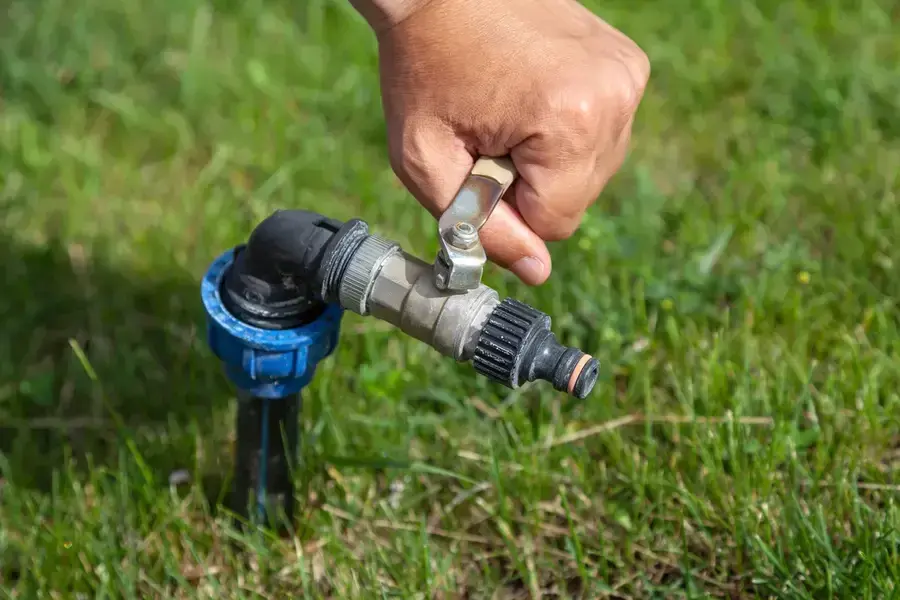
Adjust water pressure. Install pressure regulators if needed.
-
Set shorter watering cycles. Use multiple short cycles instead of one long one. This is called cycle soaking.
-
Aim heads away from pavement. Water on concrete always becomes runoff.
-
Check coverage. Make sure sprays overlap slightly without flooding one area.
Drip irrigation is one of the best tools for reducing runoff. It sends water slowly to the root zone. That means less waste and healthier plants.
Common Mistakes to Avoid
Many runoff problems come from simple design errors. Avoid these issues:
- Mixing spray and rotary heads in the same zone
- Watering slopes the same way as flat areas
- Running the system too long in clay soil
- Ignoring broken or clogged nozzles
- Setting timers once and never adjusting them
Another mistake is copying a neighbor’s system. Your yard may have a different grade or soil type. A custom irrigation system design works better than a one-size-fits-all layout.
When to Call a Professional
Some runoff issues require more than small adjustments. You may need expert help if:
- Water pools near your home’s foundation
- Soil erosion is washing away mulch or grass
- Your yard has steep slopes
- Water bills are rising without clear reason
- Local rules limit water usage
A trained team can review your sprinkler layout, test pressure, and redesign problem areas. They can also upgrade old controllers with smart timers that adjust for weather. This type of service fits within professional landscape irrigation planning and system upgrades.
Final Recommendation and Next Steps
A thoughtful irrigation system design keeps water in your lawn and out of the street. It protects your plants, lowers your water bill, and helps prevent soil erosion. Small changes like shorter cycles and better zoning can make a big difference.
Get Expert Help for Better Water Control
If you are dealing with runoff issues in Joshua, TX, we are ready to help. At TLC Irrigation, we design systems that match your soil, slope, and plant needs. Our team can inspect your current setup, adjust problem areas, or create a new layout that reduces waste and protects your property. Call us at (817) 754-4260 to schedule a consultation and let us improve your irrigation system design the right way.