
Smart Irrigation Planning Helps Plants Grow Stronger With Less Stress
Sprinkler system design improves plant health by giving each area of your yard the right amount of water at the right time. When sprinklers are spaced well, set to the correct pressure, and matched to your soil type, plants grow deeper roots and stronger leaves. A good layout stops dry spots, water waste, and root rot before they start.
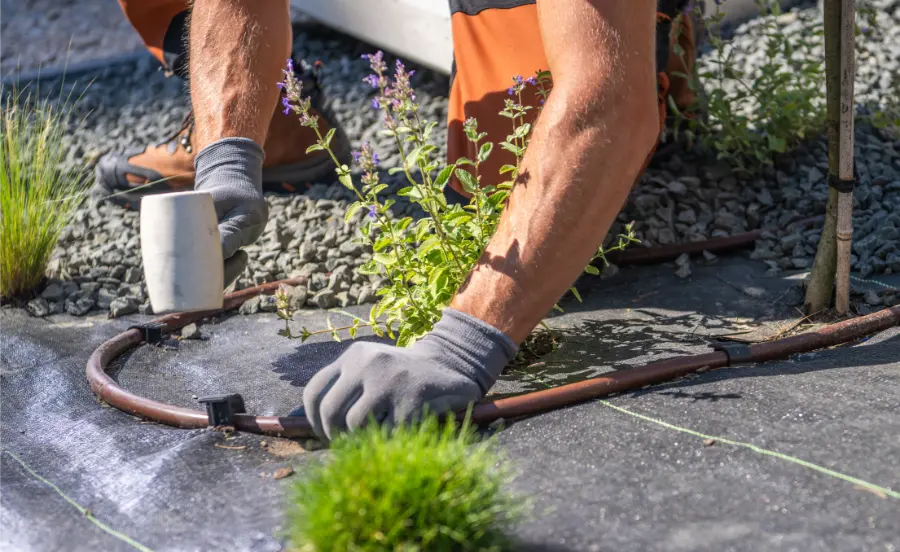
What You Need Before Starting
Before planning your sprinkler system design, gather a few basic details about your yard. This helps you avoid costly changes later.
- A simple sketch of your yard with plant areas marked
- Information about your soil type (sand, clay, or loam)
- Your home’s water pressure and flow rate
- Sun and shade patterns during the day
- Types of plants, grass, shrubs, or garden beds
Grass needs shorter, more frequent watering. Shrubs and trees need slower, deeper soaking. Garden beds often need drip lines instead of spray heads. Knowing this upfront shapes the full irrigation plan.
Step-by-Step Process for Better Plant Growth
Follow these steps when creating or upgrading your sprinkler system design.
- Group plants by water needs. Keep turf on one zone and drought-tolerant plants on another. This avoids overwatering sensitive roots.
- Test water pressure. Low pressure causes weak spray coverage. High pressure creates mist that never reaches the soil.
- Choose the right sprinkler heads. Rotary heads work well for large lawns. Fixed spray heads suit small areas. Drip irrigation is best for flower beds and shrubs.
- Space sprinklers for head-to-head coverage. Each sprinkler should spray to the next one. This prevents dry gaps.
- Install separate zones. Sunny areas, shady spots, and slopes should not share the same schedule.
- Add a smart timer. Set watering early in the morning to reduce evaporation and fungal growth.
These steps help roots grow deep and strong. Plants that receive steady moisture grow thicker leaves and resist disease better.
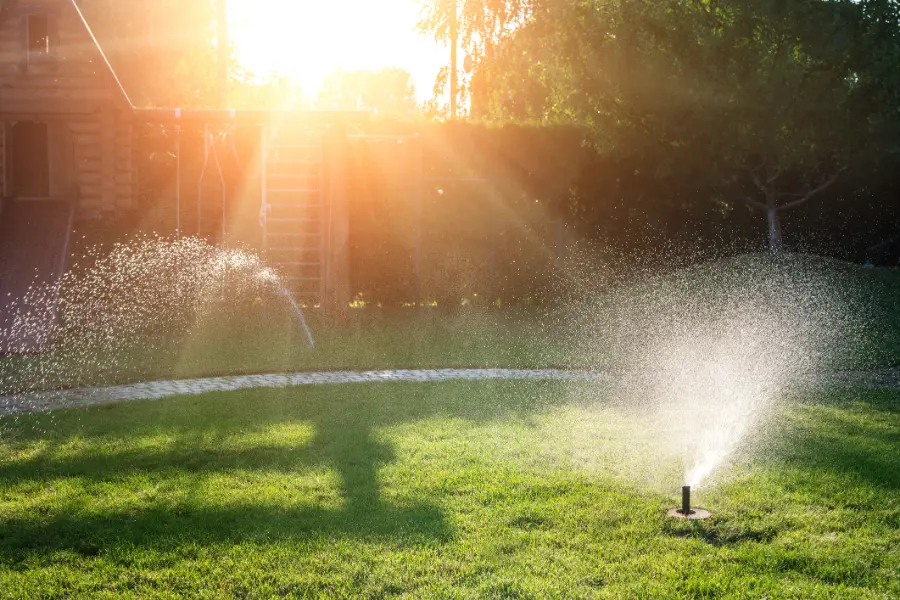
Common Mistakes to Avoid
Even a new system can harm plants if it is poorly planned. Watch out for these issues:
- Mixing different sprinkler head types in the same zone
- Watering every day instead of deep, spaced cycles
- Aiming sprays at sidewalks and driveways
- Ignoring drainage issues in low spots
- Using the same schedule all year long
Overwatering is one of the biggest threats to plant health. Roots need oxygen as much as water. Soil that stays soaked too long leads to fungus and shallow root systems.
How Soil and Weather Affect Results
Your soil plays a big role in sprinkler system design. Sandy soil drains fast and may need shorter, more frequent watering. Clay soil holds water longer and needs slow application to avoid runoff.
Weather also affects timing. Hot summer days call for early morning watering. Cooler months require less frequent cycles. A flexible schedule keeps plants balanced without waste.
When to Call a Professional
Some projects are simple upgrades. Others need expert planning. You may want professional help if:
- Your yard has major slopes or uneven grades
- You notice weak pressure across zones
- Plants continue to struggle after schedule changes
- You are installing a system from scratch
Experienced technicians measure flow rates, calculate zone loads, and plan pipe sizing correctly. This protects both your plants and your plumbing system. A well-built layout saves water and reduces long-term repair costs.
Build a Healthy Landscape That Lasts
A well-planned sprinkler system design supports deep root growth, steady color, and stronger blooms. Small layout changes can make a big difference in how plants respond. If you want expert guidance in Joshua, TX, our team at TLC Irrigation is ready to help. We design systems that match your soil, plant types, and property layout. Call us at (817) 754-4260 to schedule a consultation and let us help your landscape thrive.